Land · room 03 of 07
The portfolio.
A single parcel is a transaction with one counterparty, one consent calendar and one exit. Several parcels held under one written policy are an exposure: to a typology, to a market or several, to a programme, on terms an investor can test before subscribing and measure after. The work in between is the portfolio, and it is designed before the platform that holds it.
What follows is the exposure statement, the chain of companies that holds the parcels, the contribution of land for units, the sequence the work runs in, the constraints that bind it and the places it fails.
Land · seven rooms
01 · The ground
From a parcel to an exposure
A parcel is bought. An exposure is subscribed to.
The distinction decides what the investor is asked to hold, what the manager is accountable for, and what the landowner's parcel becomes once it enters.
One title, one owner, one planning regime, one value event and one purchaser at the end. Everything about it is specific, and a vehicle built to hold it alone carries every specific risk undiluted: the consent that does not come, the signatory who will not sign, the market that turns in the one city it sits in.
Several parcels held to a written policy: which typologies, which markets, what state of entitlement at entry, what programme, what limits on concentration, and how the whole is exited. The policy exists before the parcels do, and each parcel is admitted against it or refused.
Units or shares in a vehicle whose assets are the portfolio, whose policy is in its constitution, and whose manager is accountable for admitting parcels to that policy. The investor tests the policy, the manager's record and the seed parcels. The investor does not underwrite each parcel as it arrives.
The policy as a structural document, the chain that holds the parcels, the terms on which a landowner contributes rather than sells, and the sequence from the first parcel to the last exit. The parcels themselves come through the relationships read in the access room; the capital comes through the manager.
02 · The exposure statement
Written before the first parcel enters
Six elements fix the exposure, and each is tested against something an investor can read.
The exposure statement is the constitution's investment policy written as a set of constraints. It is the first document on a land platform because the vehicle, the tier and the register are all chosen to it.
| By element · by test | What it fixes | What the investor tests it against | What moves it |
|---|---|---|---|
| Typology | Which of the seven kinds of land the platform holds, and whether more than one. Urban infill and logistics in one platform is a policy; land in general is a pipeline. | The manager's record in that typology, and the seed parcels' fit to it. | A change to the policy under the constitution, on the consent it requires. |
| Markets | The states and cities the platform may hold in, each with its ownership regime, its registry and its transfer charge. | The onshore readings, parcel by parcel, and the holder category the chain uses in each. | A new state added to the policy, with its holder category solved before the first parcel there. |
| Entitlement at entry | Whether a parcel must be entitled before it enters, or may enter pre-consent up to a stated share of the portfolio. | The consent calendar on each pre-consent parcel, and who controls it. | The share, amended under the constitution. |
| Programme | Hold and entitle, develop and sell, or develop and hold. Each needs a different vehicle term, a different financing position and a different developer interface. | The term of the vehicle against the programme on the seed parcels. | Rarely moved; a change of programme is a different platform. |
| Concentration | Limits by parcel, by market and by counterparty, with a ramp-up period during which the seed parcels may breach them. | The seed parcels against the limits, and the ramp-up against the timetable to a second close. | The limits, under the constitution; the ramp-up, by its own expiry. |
| Exit policy | Parcel by parcel to purchasers, the portfolio whole to one acquirer, or the vehicle itself to the market by admission to trading. Each exit is built into the chain from the first day. | The chain: whether each parcel company can be sold on its own, and whether the vehicle can be admitted. | Rarely moved; the exit is the structure. |
03 · The chain
One company per parcel
Every layer in the chain answers one question the layer above it cannot.
A land portfolio is held through a chain of four layers. Each exists for a reason stated before it is formed, and each carries a cost stated before it exists.
One company per parcel, seated in the state the parcel sits in and in a holder category that state permits. It holds the title, carries the parcel's encumbrances and consents, borrows against the parcel alone if it borrows at all, and is sold on its own when the exit is parcel by parcel. Two parcels in one company is one exit where there should be two.
The company that owns every parcel company. It consolidates, it carries the concentration limits in its own accounts, and it is the thing that is sold when the exit is the portfolio whole. Seated where the lender, the acquirer and the tax adviser can each read it: in one of the centres for a Gulf portfolio, onshore where the state requires a domestic holder.
The fund or the holding platform the investor subscribes to. Its constitution carries the exposure statement, its tier fixes who may hold it and what it may hold, and its register is where the landowner sits if land has been contributed. Chosen in the platform room.
Beside the chain, never inside it. The manager holds the permission, admits parcels to the policy, appoints the valuer and the administrator, and answers to the register. The firm designs the chain for the manager or for the developer and holds no place in it.
The parcel company in the onshore interfaces and the India family, state by state; the portfolio holder and the platform vehicle under Jurisdictions; the security over the chain in the structures family. The chain is a map of readings already made.
04 · Land contributed for units
The landowner as investor
A landowner who contributes rather than sells becomes an investor, and is treated as one.
Contribution is the seed most land platforms are built on: the owner transfers the parcel to its parcel company and receives units or shares in the platform vehicle at a valuation. Six terms decide whether that works.
Independent, at entry, on the same basis the vehicle will use for its later net asset value. A parcel contributed at one basis and held at another moves value between the owner and the cash investors on the first valuation day, and every investor can see it.
Units of the same class as the cash investors, or a separate class with its own lock-up, its own distribution position and its own vote on the parcel the owner contributed. A separate class is the usual answer and it is written before the owner signs.
The period during which the owner cannot redeem or transfer. It matches the programme on the contributed parcel, because an owner who exits before the value event has been paid for a value the platform has not yet made.
The owner must be a person the tier permits on the register: a professional client in the centres, a qualified investor under the Kingdom's private-fund rules, the category each state's fund regime names. An owner who fails the test holds through a permitted holder or sells for deferred consideration instead.
None over the parcel once contributed. An owner who wants consent rights over use, programme or sale has described a joint venture, and the developer room designs that. A contribution with a veto is a parcel the platform does not control and cannot sell.
The transfer charge in the parcel's state, the registration regime, and the owner's own position on exchanging land for units. Each sits with the tax adviser in its own name, and each is priced before the valuation is agreed.
05 · The sequence
Eight moves, in order
The order is fixed by what each move needs to know, and nothing in it can be taken early.
Eight moves from a set of relationships to a platform with a register. Each has an owner and a date, and the structure paper carries both.
Written from the seed parcels and the manager's programme. Everything after it is chosen to it.
The seven items in the access room, on each seed parcel, with the party who settles each and the date.
For each parcel, the category its state permits and the parcel company designed to it. A parcel whose category cannot be solved leaves the seed list at this move.
Chosen to the exposure statement and the intended register, in the platform room. The tier decides the landowner's standing, and so whether contribution is open.
Formed, and the options, conditional contracts or contribution agreements signed into them. The seed list moves from intended acquisitions to assets under contract.
Against a register that has read the statement, the seed list and the ramp-up. The landowner who contributed is on it.
How later parcels enter: the committee that admits them, the conflicts test where a parcel arrives through a relationship the firm holds, the valuation at entry, and the share of the portfolio any single admission may take.
Each exit in the policy run against the chain as built: whether the parcel companies can be sold singly, whether the portfolio holder can be sold whole, whether the vehicle can be admitted to trading where the policy contemplates it.
06 · The binding constraints
Five, each attributed
Five constraints bind the portfolio. Each is created by one instrument and moved by one party.
The list the structure paper carries at this stage, with the party who can move each item named beside it.
Created by the exposure statement; breached by every platform seeded with one large parcel. Moved by the ramp-up period the statement writes, and by the second close that ends it.
Created by the ownership regime of each state. Moved by the state alone; solved by the design of the parcel company, or not at all.
Created by the constitution and the valuer's appointment. Moved by the manager under the constitution, in front of the register.
Created by the lender's security over the parcel company. Moved by the lender, whose consent reaches every sale of that company and every change above it.
Created by the fund regime the vehicle sits under: the share of unlisted or illiquid assets a tier permits, the valuation frequency it requires, the leverage it caps. Moved by the regulator, on its own clock.
07 · Where it breaks
Failure points
Each of these was decided in the exposure statement and found on a valuation day.
Five failures particular to a land portfolio. None is cured by drafting after the event.
A platform was marketed on its seed parcels and carried no exposure statement. It surfaces at the second acquisition, when the register discovers it holds whatever the manager next admits.
A parcel company held a pair of adjoining plots for convenience. It surfaces at exit, when the purchaser of one plot must buy the encumbrances of the other.
A landowner contributed a parcel and kept consent over its sale. It surfaces at the portfolio exit, when the acquirer prices a parcel it cannot be sure of buying.
A parcel was contributed at one valuation basis and the first net asset value was struck on another. It surfaces on the first valuation day, as a transfer between the owner and the cash investors that nobody agreed to.
A platform's concentration limits bound from the first day, and the seed parcel breached them alone. It surfaces at the first compliance report, when the manager is in breach of a constitution it drafted.
08 · Where the work stops
The line
Your counsel signs the law. We design the structure that advice is set against, and stress-test it before the documents are drawn.
Three rows: what returns from this stage, what stays with the parties' own advisers, and who takes the decision.
The exposure statement as a structural document, with each element and its test. The chain as a map: each parcel company, its state and its holder category, the portfolio holder and the platform vehicle, with the reason each exists and its cost. The contribution terms, and the eight moves with an owner and a date on each.
The drafting of the constitution and the contribution agreements; every valuation, which is the valuer's; the tax on contribution and on each transfer, which sits with the tax adviser in its own name; the holder-category opinion in each state; and the lender's terms, which are the lender's.
The manager, or the developer, whichever has appointed the firm, on those opinions. The landowner decides on its own advice whether to contribute, and contracts with the platform, never with the firm.
The land door runs from the access through this room to the platform that holds the portfolio, the developer who builds on it, the exposure the investor holds, and five worked land structures. What follows in each is the structure as it binds, read from the instruments.
None of this is advice, and none of it invites any investment or names any land. It is our reading of a structure, and your counsel signs the law.
Read with the onshore interfaces for the holder category in each state, and the structures family for the chain
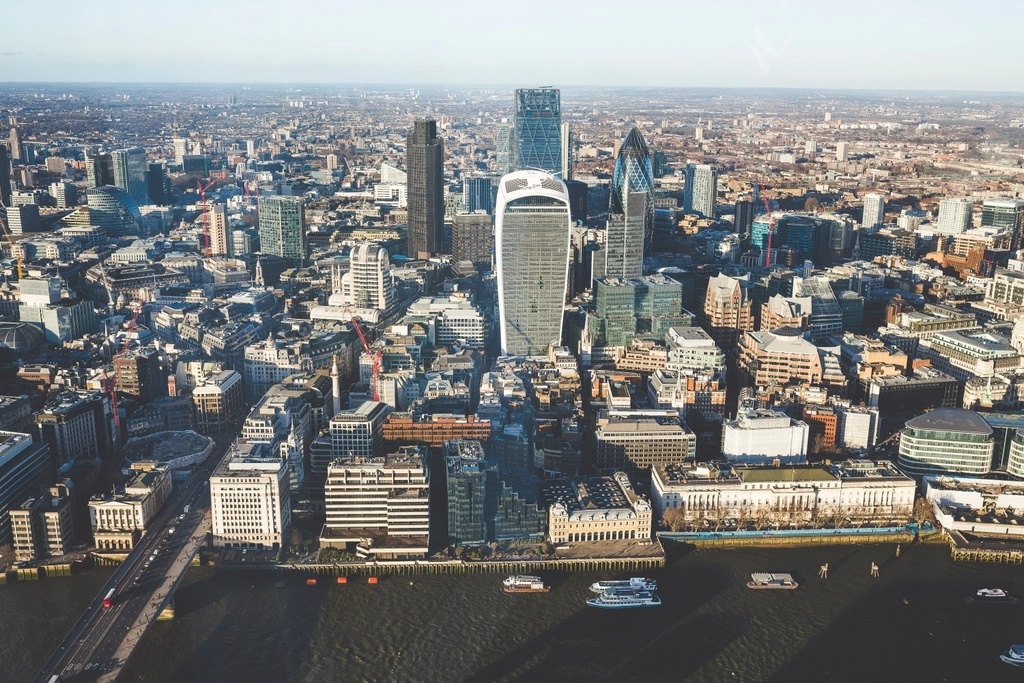 Land · 11 minute readLandLand reaches the firm through relationships with the people who own it, in several markets. The firm designs the platform the land can enter: the portfolio, the vehicle, the developer interface and the exposure an investor holds. Six rooms, for fund managers, developers and landowners.
 Land · 11 minute readThe exposureWhat an investor holds at the end of a land platform: the exposure statement as a promise, the six questions a manager answers before subscribing, classes and ranking, a valuation the investor can test, liquidity told at subscription, an exit written at entry, and every conflict visible.
 Land · 13 minute readWorked land structuresFive land structures worked as types: a landowner who wants units rather than cash, three cities under one platform, a developer without land, a masterplan plot with a state counterparty, and a portfolio that must exit parcel by parcel.
What this room is attached to
- Where the parcels come from Land · the access
- The chain it is built on Structures · holding chains
- What holds the portfolio Land · the platform